37357
1# POPCORN-PURDUE 410 YELLOW
DEBRUYN SEED
Wholesale pricing available for registered accounts
Sign in to view pricingDescription
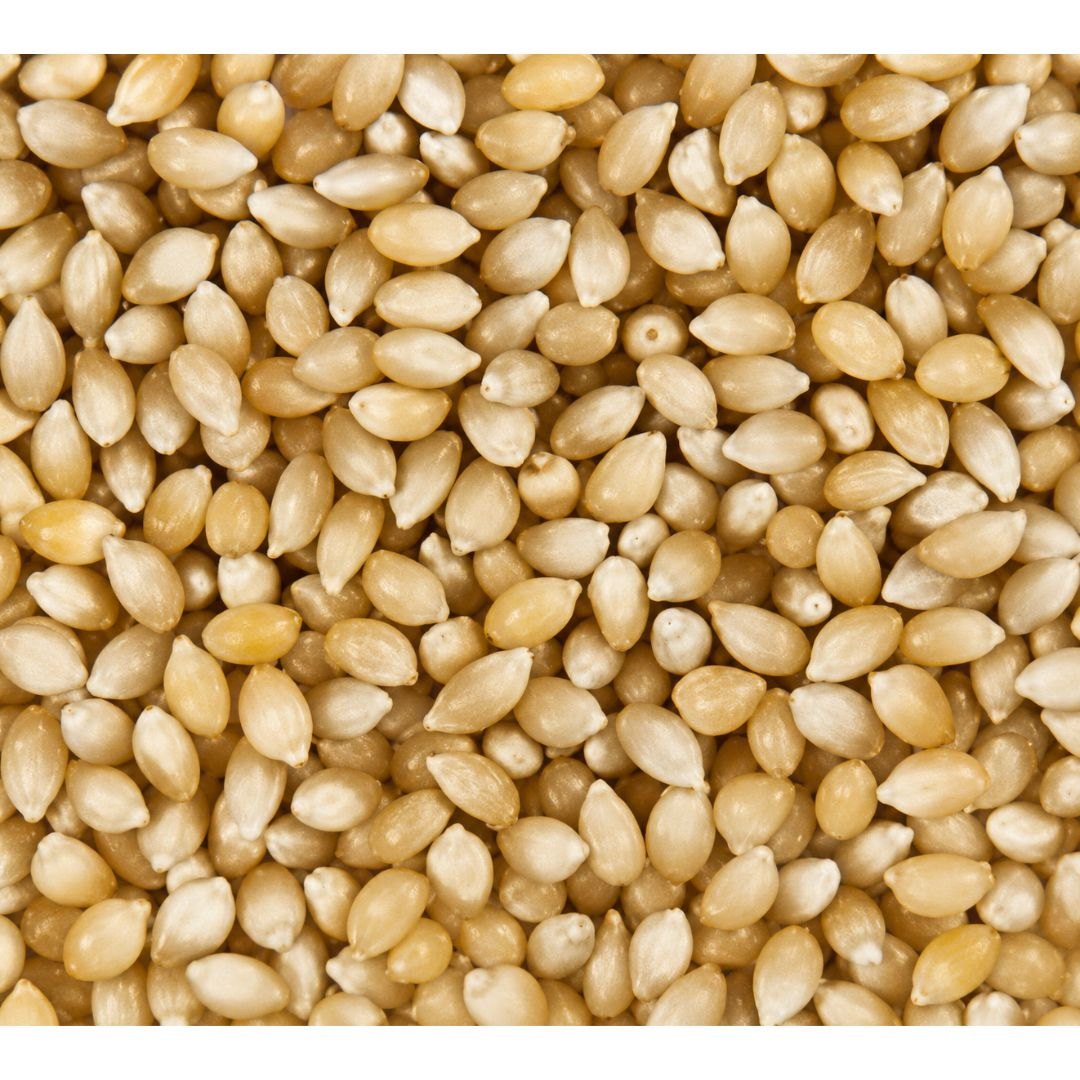
Purdue 410 Yellow Popcorn Seed is a well‑known open‑pollinated popcorn variety developed at Purdue University, prized for its excellent popping expansion, classic popcorn flavor, and reliability.
🌽 Variety Overview
Type: Popcorn (dent‑type popcorn)
Kernel Color: Yellow
Ear Size: 4–6 inches
Plant Height: 7–8 feet
Days to Maturity: ~100–110 days
Popped Corn: Large flakes, crisp texture, rich corn flavor
Use: Home popcorn, drying, long‑term storage
✅ Why Grow Purdue 410
Excellent popping expansion (large, fluffy popcorn)
Strong, classic “theater‑style” popcorn flavor
Developed for Midwest growing conditions
Good disease tolerance and sturdy stalks
Performs well in gardens and small plots
This variety is popular with home gardeners and small‑scale growers who want dependable yields and high‑quality popcorn.
🌤️ Growing Conditions
Season: Warm‑season crop
Sun: Full sun (8+ hours)
Soil: Fertile, well‑drained soil
Soil pH: 6.0–6.8
Soil Temperature for Planting: Minimum 60°F
⚠️ Popcorn is frost sensitive plant after danger of frost has passed.
🌾 Planting Instructions
When to Plant:
Late spring, once soil is warm
How to Plant:
Depth: 1–1½ inches
Spacing: 10–12 inches apart
Rows: 30–36 inches apart
Plant in blocks (at least 4 short rows) for proper wind pollination
🚫 Isolation Needed:
Keep Purdue 410 isolated from:
Sweet corn
Other popcorn varieties
(by distance or timing) to prevent cross‑pollination.
💧 Care & Maintenance
Water deeply during tasseling and ear development
Side‑dress with compost or balanced fertilizer at knee‑high stage
Control weeds early—young corn competes poorly
🌽 Harvesting
Leave ears on stalks until husks are dry and brown
Harvest when kernels are hard and fully mature
Finish drying indoors in a warm, well‑ventilated area for 2–4 weeks
🍿 Popping & Storage
Ideal popping moisture: 13–14%
Test by popping small batches
Store fully dried kernels in airtight containers
Flavor often improves after several weeks of curing
🌿 Companion Plants
Beans (add nitrogen)
Squash or pumpkins
Melons
(Avoid planting near tomatoes.)
Specifications
- Weight
- 1#
- Unit of Measure
- EACH
- Category
- Lawn & Garden
- Subcategory
- Garden Seeds


